

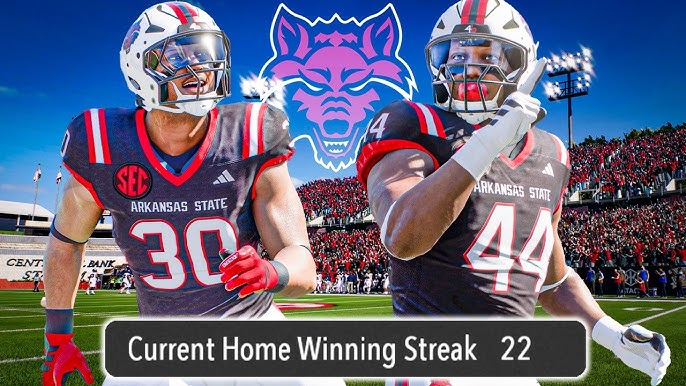
Want to become a first-round NFL draft selection in CUT 26 Coins's Road to Glory mode? Many players put up impressive stats throughout an entire season only to discover that their draft position falls behind players with less production. Is on-field performance alone enough, or do academics, leadership, and personal branding also matter? This guide walks through every stage of the journey, from creating your player to hearing your name called on draft day.
Step 1: Choose the Right Position and Development Path
The first decision is selecting a position that fits your preferred playstyle rather than chasing the highest overall rating.
Quarterbacks should focus on passing accuracy, awareness, and decision-making. Running backs benefit most from speed, agility, and ball security. Defensive players should prioritize tackling, pursuit, coverage, and football IQ.
Establish a clear development plan early so that every upgrade contributes toward becoming a stronger prospect.
Step 2: Pick a School Where You Can Actually Play
When choosing a college program, look beyond prestige alone.
Evaluate the team's roster depth, offensive or defensive scheme, program reputation, and coaching staff. A five-star powerhouse may sound appealing, but sitting on the bench for multiple seasons can severely limit your growth.
A smaller school that offers immediate playing time often provides a faster path to development and exposure.
Step 3: Manage Your Weekly Schedule Carefully
Each week requires balancing several important activities:
Training
Academics
Leadership development
Personal brand activities
Recovery
Focusing exclusively on training can create problems later. Poor academic performance may lead to eligibility issues, while overtraining can drain energy and reduce effectiveness. Consistent progress comes from maintaining balance across all areas.
Step 4: Build Coach Trust as Quickly as Possible
Coach Trust is one of the most important systems in Road to Glory.
You can increase trust by:
Completing assigned goals
Avoiding costly mistakes
Following play-calling instructions
Protecting possession of the football
Higher trust levels lead to more snaps, larger roles within the game plan, and greater opportunities to influence games. The sooner you become a key contributor, the faster your player develops.
Step 5: Consistency Matters More Than Highlight Plays
Many players chase big moments on every drive, forcing difficult throws or attempting risky plays.
NFL scouts place tremendous value on efficiency and consistency. Completing routine passes, protecting the football, and moving the chains regularly often has a greater impact on draft stock than occasional spectacular plays mixed with frequent turnovers.
A reliable season is usually more valuable than a flashy but inconsistent one.
Step 6: Focus Attribute Upgrades on Position-Specific Strengths
Avoid spreading experience points evenly across every category.
Offensive players should prioritize attributes such as:
Passing Accuracy
Catching
Route Running
Vision
Speed
Defensive players should focus on:
Tackling
Coverage
Pursuit
Block Shedding
Play Recognition
Specializing in the skills that matter most for your position creates a stronger prospect than building a balanced but mediocre player.
Step 7: Don't Neglect Academics
Academics are often overlooked, but they can have a major impact on your career.
Regularly dedicate time to coursework and maintaining strong grades. Academic success keeps you eligible to play and can unlock additional development opportunities.
Falling behind in school may result in reduced playing opportunities or other setbacks that can derail an entire season.
Step 8: Grow Your Personal Brand Without Sacrificing Development
Off-field activities help build your public profile, leadership skills, and marketability.
Developing a strong personal brand can increase visibility and create additional opportunities, but it should not come at the expense of training or academics.
The most successful players maintain a balance between improving their abilities and expanding their reputation.
Step 9: Prepare for the Biggest Games
Rivalry matchups, conference championships, bowl games, and playoff contests carry significantly more weight than ordinary regular-season games.
Before major matchups:
Ensure energy levels are high
Complete preparation activities
Optimize your weekly schedule
Strong performances in high-profile games can dramatically improve awards consideration and NFL draft evaluations.
Step 10: Build a Complete Draft Resume
NFL scouts evaluate your entire college career rather than a single season.
Important factors include:
Individual statistics
Team success
Awards and honors
Consistency
Overall player rating
The strongest draft prospects excel across multiple categories and demonstrate long-term development throughout their college careers.
Additional Tips
For offensive positions, earning a starting role at a smaller school during your freshman year can often accelerate development more effectively than spending multiple seasons as a backup at a national powerhouse.
When managing weekly activities, prioritize academics and training first. If energy becomes limited, personal branding can usually wait until later.
Performances in bowl games and the NFL Combine are especially important because they represent some of the final opportunities to impress scouts before the draft.
Conclusion
Success in Road to Glory requires much more than posting impressive statistics. Building Coach Trust, maintaining academic eligibility, developing a personal brand, performing well in key games, and steadily improving your player all contribute to draft stock.
Whether you're creating your first Road to Glory athlete or buy College Football 26 Coins attempting to secure a top draft position, balancing every aspect of your college career is the key to hearing your name called early on NFL Draft night.

 漢語
漢語